
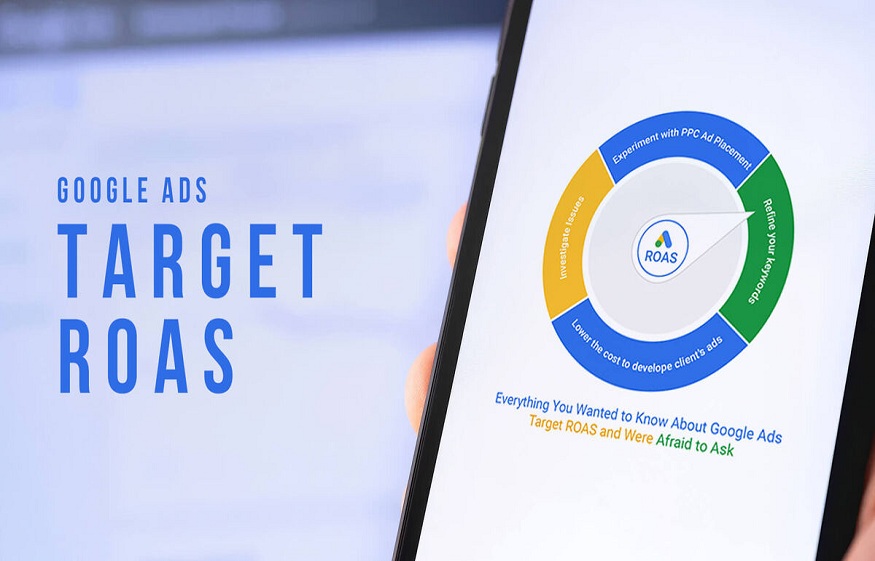

In the hyper-competitive arena of digital marketing, generating traffic is only the first hurdle. The true measure of success for any paid search campaign is profitability, and the key metric for assessing this is Return on Ad Spend (ROAS). ROAS is the revenue generated for every dollar spent on Google Ads, and a strong, consistently improving ROAS is the difference between a thriving business and one that is simply burning through its marketing budget. Simply put, improving your ROAS means getting more sales for less spend, transforming your campaigns from cost centers into profit drivers. Achieving this requires moving beyond basic campaign setup and employing a series of expert techniques focused on data rigor, strategic audience targeting, and relentless optimization.
Many businesses treat Google Ads optimization as a continuous cycle of incremental bidding changes. While essential, this is often insufficient. Real Adbeacon – How to Imporve ROAS comes from deep, strategic restructuring that impacts all parts of the sales funnel, from the initial keyword search to the final conversion on the landing page. By focusing on conversion rate optimization, audience refinement, and budget allocation, businesses can engineer a significantly more profitable advertising machine.
The Foundation: Accurate Tracking and Conversion Value
The absolute prerequisite for improving ROAS is having impeccable data. You cannot optimize what you cannot accurately measure. Many campaigns struggle because they have poor tracking setups that either miss conversions or fail to assign appropriate value.
Read More: inside-the-it-help-desk-how-structured-service-requests-keep-businesses-running
Begin by ensuring your Google Ads Conversion Tracking is integrated perfectly with your website’s analytics. More importantly, focus on conversion value. If all conversions are treated equally, the bidding system cannot make smart decisions. For an e-commerce store, this means dynamically passing the actual transaction revenue back to Google Ads. For lead generation businesses, this means assigning a realistic monetary value to each lead based on its closed-won rate.
Audience Refinement: Targeting Intent, Not Just Keywords
While keywords define what people are searching for, audience targeting defines who they are. Expert ROAS techniques leverage audience data to ensure ad spend is concentrated on users most likely to purchase, even if the keywords are broad.
Utilize Remarketing Lists for Search Ads (RLSA) extensively. RLSA allows you to bid higher for people who have previously visited your website, indicating a high level of familiarity and intent. This audience is inherently more valuable than a cold user. Segment your RLSA lists based on site behavior, such as “users who viewed the cart but didn’t purchase” or “users who viewed a high-value product category.” Bidding aggressively on these high-intent segments provides a high-ROAS sanctuary within your search campaigns.
Read More: inside-the-it-help-desk-how-structured-service-requests-keep-businesses-running
Beyond remarketing, leverage In-Market Audiences and Custom Intent Audiences. In-Market Audiences are users Google identifies as actively researching products or services like yours. Custom Intent Audiences allow you to target users who have recently searched for specific competitor keywords or visited relevant industry websites. By applying these audiences at the observation level, you can introduce positive or negative bid modifiers, allowing you to pay less for low-value traffic and more for high-value users, thereby tilting the ROAS scales in your favor.
Negative Keyword Mining and Search Term Sculpting
Although simple, meticulous management of search terms and negative keywords remains a fundamental lever for ROAS improvement. Every irrelevant click is a wasted budget and a drag on your profit.
Dedicate time daily or weekly to review the search terms report. Identify terms that are triggering your ads but are clearly unrelated to your products or services and add them as exact match negative keywords. This immediately prevents budget bleed. Beyond outright irrelevant terms, look for low-intent, high-cost terms. These are terms that generate clicks but never convert, or only convert at a very low value. Adding these to your negative list focuses your budget on the search queries that show commercial intent. This process of search term sculpting refines the quality of your traffic over time, ensuring a higher percentage of your clicks are from users genuinely looking to buy.
Conclusion: Engineering Profit
Improving Google Ads ROAS is not a one-time fix but a commitment to an iterative process driven by data and strategic finesse. The most successful campaigns move past the simple optimization of bids and embrace a holistic approach. By first ensuring accurate conversion tracking and value attribution, then strategically refining audiences to target high-intent users, rigorously allocating budget to proven performers, and continuously optimizing the landing page experience, businesses can engineer a substantial lift in profitability. This commitment to expert techniques transforms Google Ads from an operational expense into a powerful, predictable source of revenue generation.