
What Makes An Emergency DAS System Reliable When Houston First Responders Need Clear Signals
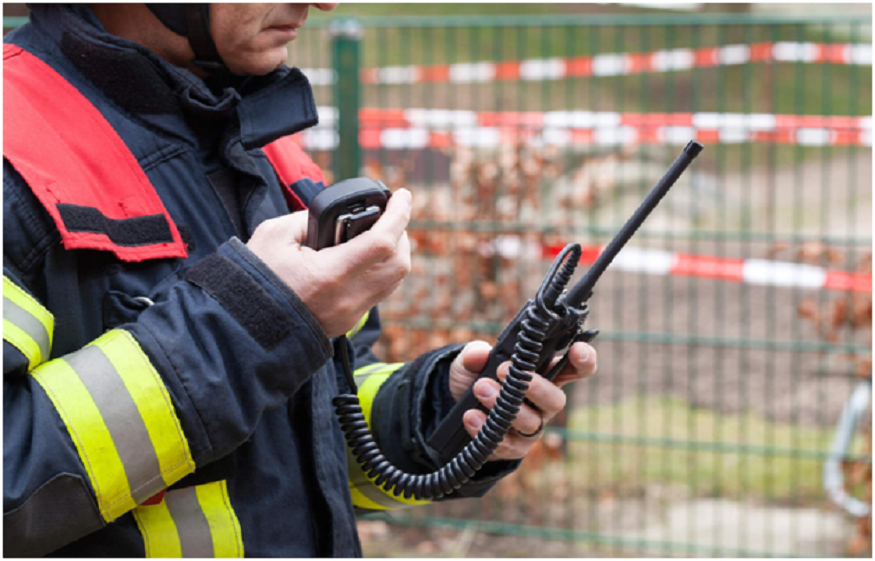
Houston buildings do not fail first responders on purpose. They fail because modern construction is tough on radio signals. Concrete stair cores, steel framing, low-E glass, and long interior corridors can turn a strong outdoor signal into a patchy indoor experience. When something goes wrong, responders do not have time to “find a spot” that works. They need clear, consistent communication everywhere the response actually happens.
Reliability also has to hold up on bad days, not just on commissioning day. The most dependable installations are the ones built with practical guardrails: thoughtful design in critical zones, stable power and monitoring, repeatable testing, and routine checks that catch drift before it becomes a coverage gap.
Voice-Clarity Focused DAS Emergency Design Under Stress
Reliability is not only signal strength. Voice intelligibility matters more. Antenna placement, pathway routing, and uplink performance all affect whether messages stay clean when responders are moving fast. A well-planned DAS emergency system design also avoids creating hot and cold pockets that force radios to hunt. Their team should balance coverage so the system feels consistent across route changes, not perfect in one room and weak five steps away.
Read More : Inside the IT Help Desk: How Structured Service Requests Keep Businesses Running
Filtering and interference control matter too, especially in dense commercial properties. Mechanical zones and electrical rooms can create noisy environments, while garages can cause reflections that distort coverage patterns. Good design uses the building layout as a guide, placing antennas where they support real movement and keeping critical pathways protected. When these choices are made early, tuning becomes smaller and more predictable, not a frantic redesign at the end.
Where Houston Buildings Lose Signals First
Most failures show up in the same places, even across different property types. Stairwells, garages, loading corridors, mechanical rooms, and deep interior routes are the usual suspects. These areas have thick materials, sharp transitions, and fewer open surfaces for signals to travel cleanly.
The fix starts with accepting that reliability is zone-specific. Their team should map priority areas early and treat them as non-negotiable. That means designing for landings, ramps, and corridor transitions, not just “square footage.” When owners and installers focus on the hardest zones first, they avoid the common outcome where everything works except the stairwell, the garage, and the back corridor that people depend on in a real response.
Emergency DAS Power and Monitoring Strategy
A reliable system has to survive power events without disappearing. Outages, transfer dips, and overheated closets can take parts of the system offline at the worst time. For an emergency DAS system, power planning should be treated like life-safety infrastructure: stable circuits, realistic battery runtime under load, proper grounding, and clear circuit labeling. If the runtime is only “theoretical,” long incidents will expose the gap fast.
Monitoring turns silent failures into visible ones. If an alarm triggers, someone has to receive it, access the space, and act quickly. That means clear escalation steps, realistic after-hours access, and a maintenance rhythm that keeps batteries and chargers healthy. Buildings that skip monitoring often discover problems during the first big event, which is the wrong time to learn that a cabinet fault never reached the right person.
Testing That Proves Reliability, Not Just Coverage
The best teams treat testing as a workflow, not a last hurdle. Mapped points in priority zones, repeatable methodology, and clear pass criteria make results defensible. A good plan also tests the spaces responders use, not just convenient office areas. When teams validate stairwells, garages, and interior corridors first, they see honest performance early and have time to tune without compressing the schedule.
Testing also needs context. A building can test differently before doors, ceilings, and tenant partitions are finalized. That is why staged verification helps: a pre-check while access is easy, followed by final validation when conditions match real life. When the same points are retested over time, trends become visible. Owners can tell the difference between a true drift issue and a one-off reading that does not represent daily performance.
Maintenance Audits That Keep Reliability from Drifting
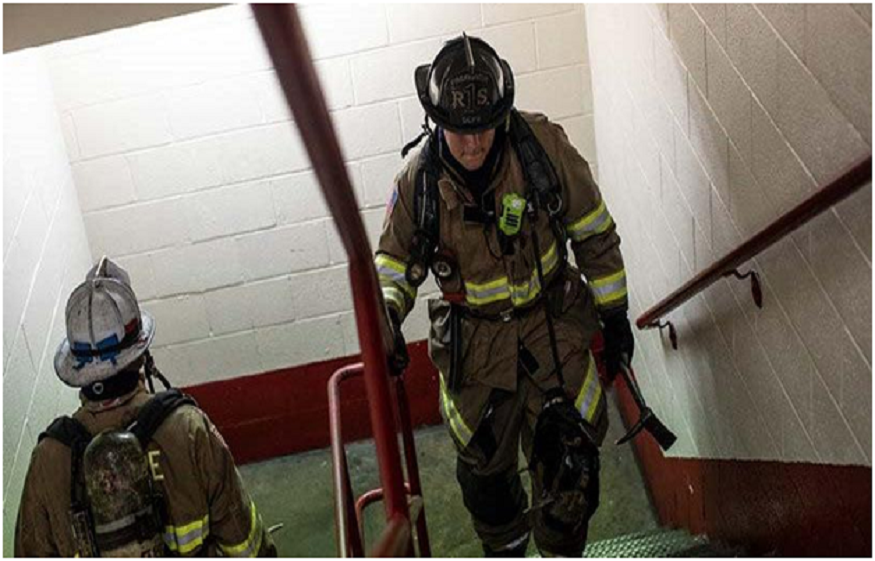
Even strong systems drift after turnover. Ceiling work can bump antennas, connectors can loosen, and closets can turn into storage rooms that block airflow and access. A reliable program includes routine checks of physical condition, alarms, power status, and a few repeatable readings in critical routes. Their team does not need to grid-test the entire building every quarter, but they should verify the zones most likely to fail first.
A DAS emergency system stays dependable when audits are treated as normal building operations, not special events. Owners can schedule short access windows, fix small issues in planned blocks, and keep a simple log of what was verified and what was corrected. That history becomes valuable when staff changes, vendors rotate, or an inspector asks what has been done since the last approval.
Managing Renovations and Tenant Changes without Losing Readiness
Tenant improvements are the most common reason reliable systems suddenly feel unreliable. New walls, fire-rated doors, added glass, and dense storage shift the RF environment, often in stairwell transitions and interior corridors. For an emergency DAS system, the safest approach is a trigger rule: after meaningful remodel work, run a targeted verification in the impacted zone plus the shared responder routes that connect to it.
This approach avoids expensive rework later. If a weak pocket is found while the contractor is still on site and ceilings are accessible, fixes are faster and less disruptive. It also protects tenant satisfaction, because work can be bundled into short windows instead of repeated “surprise” visits. Over time, change-management discipline prevents the building from becoming a patchwork of one-off fixes that are hard to maintain and even harder to explain.
Conclusion
The most reliable outcomes when buildings treat emergency coverage like a lifecycle responsibility, not a one-time project. Clear signals come from disciplined design in priority zones, stable power and monitoring, repeatable testing, and routine audits that catch drift early. When those pieces are in place, responders get consistency where they need it most, even when the building is stressed.
CMC communications can support Houston commercial teams by helping them plan critical-zone priorities, structure verification steps, and keep documentation organized for long-term accountability. Their team can also help owners set practical audit rhythms and change-management triggers, so reliability stays strong after renovations, tenant changes, and power events, without forcing disruptive rework during normal business operations.
Frequently Asked Questions
Question: What areas should owners prioritize when evaluating emergency radio reliability?
Answer: Stairwells, garages, fire command areas, loading corridors, and deep interior routes should be first. These spaces usually fail before open offices because materials are heavier and transitions are sharper. Verifying them early prevents false confidence and keeps fixes focused on real responder pathways.
Question: Why can a system show a good signal but still perform poorly during an incident?
Answer: Signal strength alone does not guarantee a clear voice. Uplink stability, interference control, and consistent coverage through transitions matter more when responders move quickly. A system can look fine in one room and still fail at landings, ramps, or corridor junctions where communication is critical.
Question: How often should commercial owners run routine reliability checks?
Answer: Many teams do lighter quarterly or semiannual checks in critical routes and a deeper annual verification with documented results. Owners should also run a targeted check after major tenant remodels or repeated complaints in the same zones. Consistency matters more than frequency, because trends reveal drift early.
Question: What power issues most commonly reduce reliability during emergencies?
Answer: Short transfer dips, aging batteries, overheated closets, and unclear circuit ownership are common culprits. If monitoring is weak, these failures can go unnoticed until the worst moment. Clear power planning and verified alarms reduce the chance of silent outages in critical zones.
Question: What documentation should owners keep to support inspections and future upgrades?
Answer: As-builts, labeled antenna and pathway maps, power and battery records, and test summaries tied to mapped points are the basics. A simple change log helps too, especially after renovations. Organized records reduce retesting and make troubleshooting far faster when conditions change.
Read More : Pros and Cons of Using Platform-Level DRM for Secure Video Streaming
Question: How can owners reduce disruption when maintenance or retesting is needed?
Answer: They can phase work by zone, batch ceiling access into short windows, and focus retesting only on impacted areas. Clear tenant communication and same-day ceiling restoration help maintain trust. Planned access is almost always less disruptive than emergency visits triggered by surprise failures.