
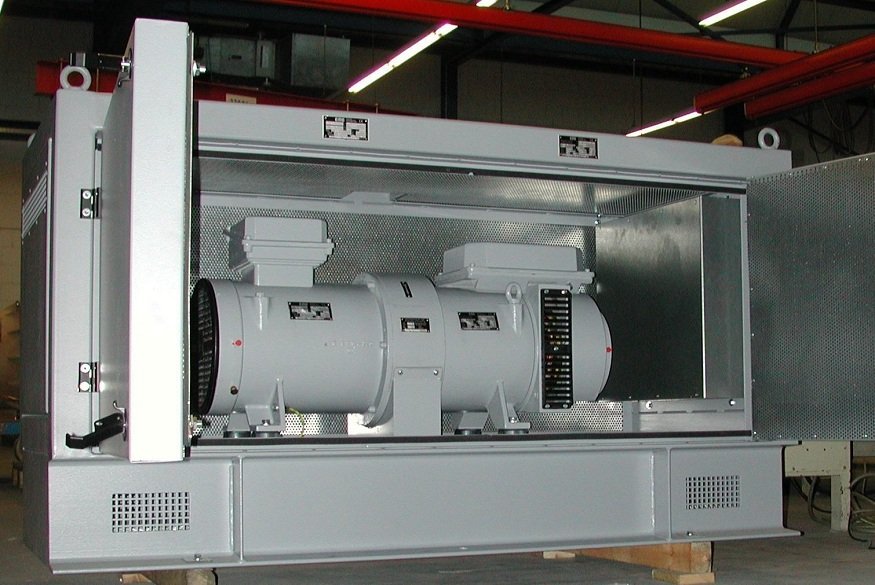

Installing frequency converters slashes industrial energy consumption and optimizes motor-driven machinery across production lines. Standard electric motors run at a fixed speed regardless of the actual load, wasting significant electrical energy when operating below maximum capacity. Frequency converters, also known as variable frequency drives adjust the voltage and frequency supplied to AC motors, matching power output directly to real-time process demands. Matching motor speeds to exact operational requirements lowers utility costs, reduces mechanical wear, and maximizes overall plant productivity.
Precision Motor Speed Control and Energy Optimization
Visicomm Industries frequency converter provide precise control over motor speed, eliminating the reliance on energy-inefficient mechanical throttling devices like valves, dampers, and brakes. In traditional fluid handling and ventilation systems, motors run at full throttle continuously while valves restrict flow to regulate volume. This wasteful setup burns maximum power while generating excessive heat and mechanical stress.
Read More: Navigating the Shift Toward AI-driven innovation in Modern Operations
Modulating the electrical frequency allows the drive to scale back motor RPM to meet lower production demands smoothly. Because power consumption in centrifugal pumps and fans follows Affinity Laws, reducing motor speed by just twenty percent cuts energy usage by nearly half. Eliminating unnecessary power draw directly lowers plant overhead while optimizing overall energy utilization.
Extending Equipment Life and Minimizing Mechanical Stress
Implementing soft-start and soft-stop capabilities prevents violent mechanical shocks during motor ignition cycles. Direct-on-line motor starts generate massive electrical inrush currents up to six times higher than normal operating levels. This sudden spike in mechanical torque stresses gearboxes, stretches drive belts, and creates severe thermal pressure on motor windings.
Read More: Step-by-Step Guide to AI Visibility Tracking with All-In-One SEO Software
Frequency converters ramp up motor speed gradually from zero RPM, controlling torque delivery and smoothing out acceleration curves. Eliminating high mechanical stress prevents premature component failures and reduces the risk of unpredicted equipment breakdowns. Smooth acceleration protects delicate drive components, extending the mean time between maintenance interventions across your machinery footprint.
Improving Product Quality Through Process Automation
Controlling motor speeds with high precision ensures consistent product quality and eliminates material defects on automated lines. Variable speed drives respond instantaneously to feedback signals from process sensors, making micro-adjustments to maintain constant pressure, tension, or flow rates. This immediate responsiveness keeps manufacturing parameters within tight tolerances during batch transitions or variable loading conditions.
In conveyor systems and material processing lines, speed synchronization prevents product jams, stretching, and surface abrasion. Eliminating erratic stop-and-go movements ensures smooth material handling from raw processing to final packaging. Maintaining precise control over every production stage lowers scrap rates and maximizes saleable output.
Primary Applications Driving Efficiency Gains
Modern industrial facilities utilize frequency converters across diverse mechanical applications to automate workflows and optimize energy usage.
- Industrial Pump Systems: Regulating flow rates dynamically to eliminate pressure surges and prevent pipe cavitation.
- Air Compressors and HVAC Fans: Adjusting airflow output to match real-time environmental conditions and facility demands.
- Conveyor and Material Handling: Synchronizing multi-motor transport lines to maintain smooth material flow without jamming.
- CNC and Metalworking Tools: Controlling spindle speeds precisely to optimize cutting performance and extend tool life.
Conclusion
Frequency converters are essential components for modern facilities seeking to lower operational costs and maximize machinery performance. Matching motor speeds to actual workload demands slashes electrical energy usage, reduces mechanical wear, and protects vital equipment from premature failure. Precise speed regulation improves product consistency and lowers scrap rates, giving manufacturers a distinct competitive edge. Investing in variable frequency technology protects your production infrastructure, improves operational uptime, and delivers immediate financial returns across your manufacturing facility.