
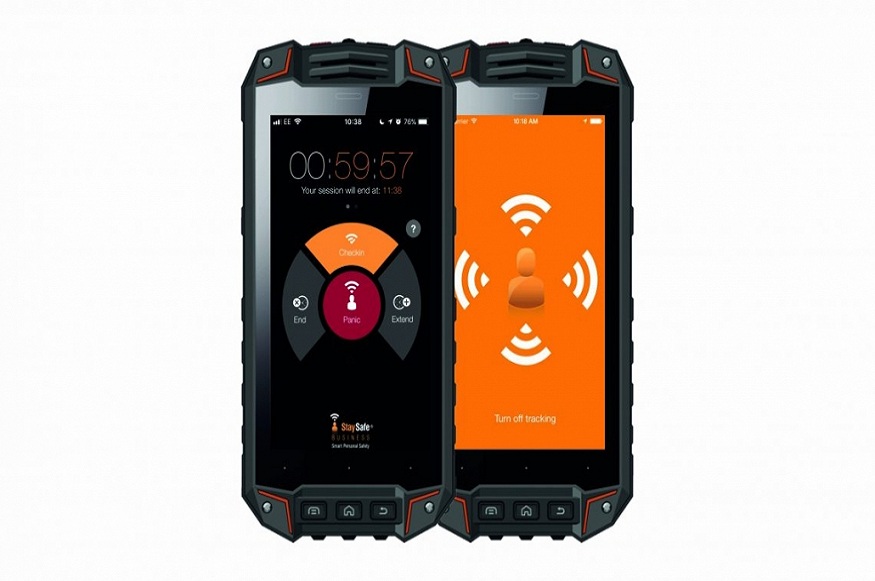

Many industries operate in hazardous environments where flammable gases, vapours, or dust can create an explosive atmosphere. Electronic equipment is a major concern in these environments because it can produce sparks or too much heat, which can ignite. Intrinsically safe phones – Exloc are used in such industries to avoid danger.
Industries use fundamentally safe phones—mobile devices designed to limit electrical energy output to prevent ignition—to ensure worker safety and uphold regulatory compliance. These specialty phones are essential for communication in hazardous areas since they have ATEX, IECEx, and NEC safety certifications.
This article looks at the primary companies that rely on phones that are intrinsically safe, as well as how they are used and the specific dangers they pose.
1. The Oil and Gas Sector
Because of the hazardous conditions in which employees work, the oil and gas sector is one of the biggest consumers of fundamentally safe phones. Explosive gases, including methane, hydrogen, and volatile hydrocarbons, are always present at refineries and drilling rigs.
Common Dangerous Locations
- Drilling platforms, both onshore and offshore
- Natural gas processing facilities and oil refineries
- Sites for pipeline upkeep and inspection
- Facilities for distributing and storing fuel
The Need for Intrinsically Safe Phones
- Stops ignition in explosive environments.
- Ensures dependable communication in far-off places.
- Satisfies the standards for high-risk regions in ATEX Zones 0 and 1.
Example of a Use Case
An offshore drilling crew uses ATEX-certified intrinsically safe phones for communication during routine inspections to ensure that no heat or spark is produced that could ignite combustible gases in the atmosphere.
Read More: Inside the IT Help Desk: How Structured Service Requests Keep Businesses Running
Production of Chemicals and Pharmaceuticals
Highly volatile materials, such as flammable solvents, reactive compounds, and combustible dust, are handled by the chemical and pharmaceutical industries. In these conditions, a single electrical spark from an uncertified phone might result in a huge explosion.
Common Dangerous Locations
- Zones for blending and combining chemicals
- Facilities for storing chemicals in bulk
- Labs for pharmaceutical research and development
- Production lines on an industrial scale
The Need for Intrinsically Safe Phones
- Reduces the risk of ignition in situations with a lot of solvents.
- Keeps lines of communication open in places where gas sensors monitor air quality.
- Complies with OSHA and NEC safety standards for dangerous areas.
Example of a Use Case
Lab workers who handle dangerous solvent vapors use intrinsically safe smartphones to transmit information and record test findings without running the risk of an explosion.
Mining Industry
Methane gas pockets and flammable dust are two threats associated with mining activities. While metal mining operations cope with high quantities of dust that might cause dust explosions, underground coal mines are especially susceptible to methane gas buildup.
Common Dangerous Locations
- Subterranean mineral and coal mines
- Processing facilities for above-ground mining
- Tunnels and ventilation shafts
- Zones for equipment maintenance
The Need for Intrinsically Safe Phones
- Allows for real-time communication in small areas.
- Stops methane gas pockets from being ignited by static discharge.
- Complies with MSHA (Mine Safety and Health Administration) regulations
Example of a Use Case
A mine foreman relies on an intrinsically safe mobile device to get real-time gas concentration signals to facilitate timely evacuation procedures in the event of hazardous methane levels.
Read More: Pros and Cons of Using Platform-Level DRM for Secure Video Streaming
Utilities and Wastewater Treatment Systems
Highly flammable gases, including methane, hydrogen sulfide, and natural gas, are handled by utilities, including wastewater treatment plants, power plants, and gas utilities.
Common Dangerous Locations
- Aeration and treatment tanks for wastewater sludge
- Power plants and electrical substations
- Facilities for storing and distributing natural gas
The Need for Intrinsically Safe Phones
- Ensures a secure connection in areas with a lot of gas.
- Stops evaporated gases from being ignited by electrical sparks.
- Conforms to NEC Class I, Division 1 safety requirements and EPA regulations.
Example of a Use Case
While operating in a methane-heavy processing tank area, a wastewater treatment operator communicates system data and gas readings to control room personnel via an inherently safe phone.